
Construction & Real Estate
Construction refers to the creation, repair, maintenance, alteration and demolition of buildings, highways, streets, bridges, roads, sewers, railways and communication systems.
Under LFF company policies working scope and operation, we underscore and identify Key construction subsectors in Ghana include:
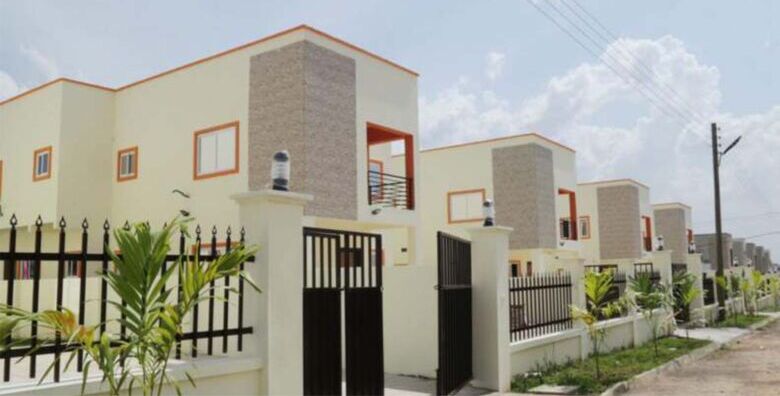
- 1) Housing and urban development including the construction of residential buildings and municipal and commercial buildings;
- 2) Infrastructure such as water and sanitation; and
- 3) Transportation infrastructure such as roads, airports, ports, and harbors.
There is a demand for construction and infrastructure development to address housing needs, upgrade roads for freight transport, and create transport corridors for exports, among other areas, remains strong.
In Ghana, the construction sector appears to be performing well, and contributes substantially to gross domestic product (GDP) and employment. For example, the demand for cement, a key indicator of construction activity continues to grow, reaching an estimated 12.5 million tons by 2021.
The approximately $8 billion Ghanaian construction sector has accounted for more than 15% of the nation’s annual GDP in recent years. The industry provides employment for approximately 420,000 people. An estimated 2,500 active building and construction contractors currently operate in the Ghanaian market. Players range from indigenous micro-enterprises and individual contractors to foreign multinational civil engineering and construction giants
The construction industry in Ghana is composed of building project consultants, engineers, architects, quantity surveyors, building contractors, and artisans. The Chamber of Construction Industry Ghana is responsible for promoting the activities of this industry, from advocating to helping find overseas suppliers. Contact CS Ghana to understand the details of how contractors are classified and how this could affect your business.